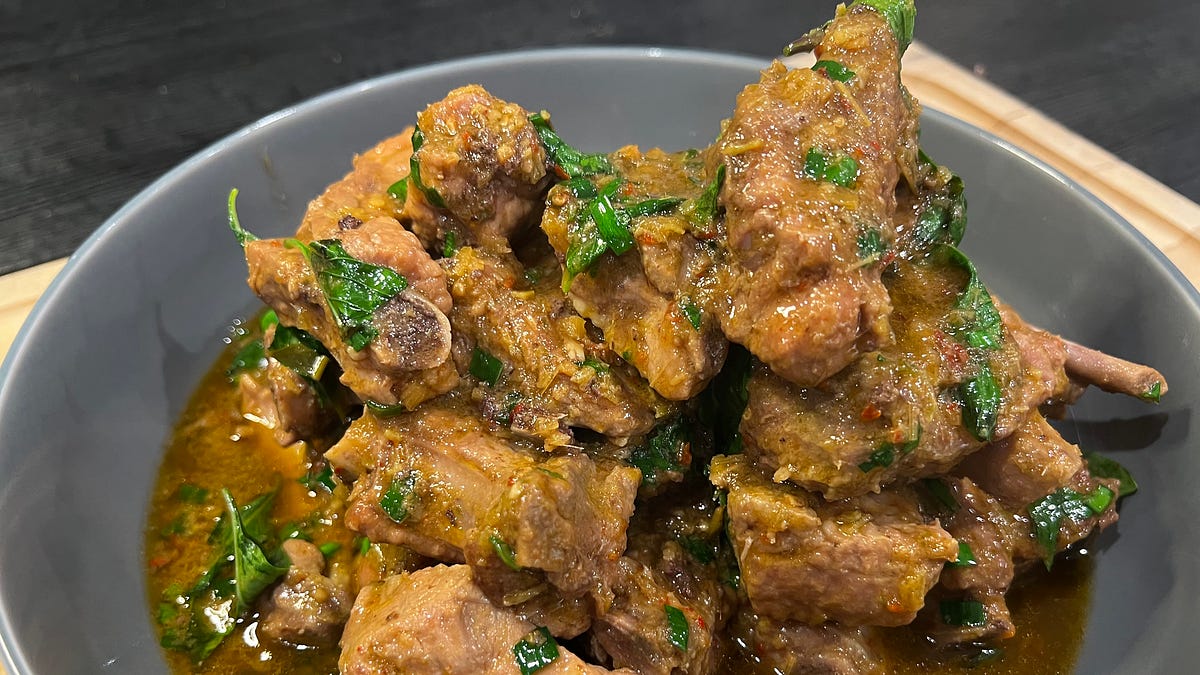
Unlock Flavor: Why Braising Makes the Best Korean Pork Ribs
Imagine a dish so succulent, so packed with rich, savory, and subtly sweet flavors, that it effortlessly transports you to a cozy Korean kitchen. We're talking about
Dwaeji Galbijjim, or more simply,
Korean braised pork ribs. While the grill holds a special place in our hearts for many cuts of meat, when it comes to pork ribs, especially the Korean style, braising isn't just an alternative – it's often the superior path to unparalleled tenderness and deep, complex flavors. Forget the limitations of weather or equipment; braising offers a culinary escape that delivers fall-off-the-bone perfection every time.
Why Braising Reigns Supreme for Pork Ribs
The secret to truly exceptional pork ribs lies in patience and process. While grilling offers char and smoky notes, it struggles to achieve the meltingly tender texture that makes ribs truly divine without drying them out. This is where braising shines. Braising is fundamentally about cooking low and slow in a flavorful liquid, allowing heat and moisture to work in harmony over an extended period.
Pork ribs, with their inherent fattiness and connective tissues, are perfectly suited for this method. The long, gentle simmer allows the tough collagen to slowly break down into gelatin, transforming the meat from chewy to incredibly tender. This process isn't just about texture; it's about flavor integration. As the ribs cook, they absorb the rich seasoning liquid, while their natural pork goodness seeps into the sauce, creating a concentrated, velvety elixir that coats every piece. Unlike boiling, which can strip away flavor, braising captures and intensifies it, ensuring every drop of deliciousness ends up in your mouth, not down the drain. The result is a dish where the meat is so tender it practically dissolves, enveloped in a sauce so addictive you'll want to lick the plate clean. This is the hallmark of expertly prepared
Korean braised pork ribs.
The Magic of the Marinade: Unlocking Authentic Korean Flavors
The soul of any great dish lies in its seasoning, and
Korean braised pork ribs are no exception. The unique flavor profile comes from a harmonious blend of traditional Korean ingredients, combined with everyday pantry staples. Don't be intimidated by a few unfamiliar names; sourcing these items is part of the culinary adventure and well worth the effort.
At the heart of the Korean flavor profile for these ribs are:
- Gochujang (Korean Red Chili Paste): This fermented paste is a cornerstone of Korean cooking. It's not just about heat; gochujang delivers a complex profile of savory, sweet, and tangy notes with a moderate spice level. It adds incredible depth and a beautiful reddish hue to the sauce.
- Gochugaru (Korean Red Chili Flakes): Less spicy than many other chili flakes, gochugaru provides a vibrant color and a gentle, smoky warmth. It's the same ingredient used to make kimchi, offering an authentic layer of flavor without overwhelming the palate.
These potent ingredients are balanced by a foundation of:
- Soy Sauce: For essential umami and saltiness.
- Cooking Wine (often Mirin or Sake): To tenderize the meat and add subtle sweetness and aroma.
- Sugar: To balance the savory and spicy elements, creating that signature sweet-savory Korean taste.
- Minced Garlic and Ginger: Aromatic powerhouses that infuse the ribs with their pungent, warming essence.
- Black Pepper: For a touch of classic spice.
This combination creates a marinade and braising liquid that's perfectly balanced – sweet, savory, with just the right kick of spice. It's what makes
Korean braised pork ribs distinctively delicious and utterly irresistible. A visit to your local Asian specialty store will open up a world of authentic flavors, and these staples will become invaluable additions to your pantry.
Mastering the Braising Process: Tips for Perfect Ribs
Achieving those coveted melt-in-your-mouth
Korean braised pork ribs requires a few key steps, ensuring both tenderness and a clean, rich flavor.
1.
Rib Selection and Preparation: Start with good quality pork ribs, such as spare ribs. Cut them into bite-sized pieces, typically separating them between the bones. Trim off any excessive fat; while some fat adds flavor and moisture, too much can make the sauce greasy.
2.
Cleaning and Soaking: This crucial step helps remove any impurities and "meaty smell" from the pork.
- Rinse the cut ribs thoroughly under cold water to remove any bone fragments or surface impurities.
- Soak the cleaned ribs in cold water for at least 30 minutes. This draws out additional impurities and blood, leading to a cleaner final flavor.
3.
Blanching with Vinegar: After soaking, drain and rinse the ribs again. Then, blanch them in boiling water for about 5 minutes, adding a tablespoon of vinegar to the water. This step is vital for two reasons:
- It further cleans the ribs, removing any remaining impurities that rise to the surface as foam.
- The vinegar helps tenderize the meat and eliminate any lingering unwanted odors. Unlike prolonged boiling, this quick blanch is a preparatory step, not a cooking method, and doesn't strip flavor.
Drain the blanched ribs in a colander and give them a final rinse.
4.
Crafting the Seasoning Sauce: In a bowl, combine your soy sauce, cooking wine, sugar, minced garlic, minced ginger, gochujang, gochugaru, and a dash of pepper. Whisk thoroughly until the sugar is dissolved and all ingredients are well incorporated.
5.
Vegetable Preparation: While optional, vegetables like radish (daikon), carrots, and shiitake mushrooms add depth, sweetness, and texture. Cut them into substantial, bite-sized pieces that can withstand long cooking without turning to mush. Rotating your knife as you cut creates attractive, rounded edges that prevent them from breaking down too much.
6.
The Braising:
- Place the blanched ribs in a heavy-bottomed pot or Dutch oven.
- Pour the prepared seasoning sauce over the ribs.
- Add enough water (typically about 4 cups, or enough to mostly cover the meat).
- Bring the pot to a boil over high heat. Once boiling, reduce the heat to medium-low, cover the pot, and simmer gently.
- After about 20-30 minutes, open the lid and skim off any excess oil that has risen to the surface. This prevents the sauce from becoming overly greasy.
- Add your prepared vegetables (radish first, then carrots and mushrooms later as they cook faster). Continue to simmer, covered, for another 1 to 1.5 hours, or until the ribs are incredibly tender and nearly falling off the bone.
Garnish with sliced green onions and red chili peppers (if using) just before serving. For a deeper dive into making these ribs, you might want to check out
Dwaeji Galbijjim: The Secret to Super Tender Korean Pork Ribs for more detailed guidance.
Beyond the Grill: A Winter Comfort Food Essential
When the grill is buried under a blanket of snow, or you simply crave warmth and comfort,
Korean braised pork ribs emerge as the ultimate culinary hero. This dish doesn't just make waiting for warmer weather bearable; it transforms cold days into an opportunity for indulgent, soul-satisfying dining. The rich, aromatic steam filling your kitchen is a welcome antidote to frosty temperatures, promising a meal that's both hearty and incredibly flavorful.
Serving these meltingly tender ribs is simple perfection: spoon them generously over a bed of fluffy steamed rice, allowing the luscious sauce to soak into every grain. Pair them with a few traditional Korean side dishes (banchan) like kimchi, pickled radishes, or seasoned spinach for a complete and authentic experience. They're not only a fantastic family meal but also an impressive dish for entertaining. Plus, like many braised dishes, the flavors often deepen and meld even further overnight, making them an excellent make-ahead option. This dish is a testament to the power of low and slow cooking, proving that true culinary magic can happen right on your stovetop, regardless of the season. To truly beat those winter blues, these ribs are your secret weapon. For more inspiration, explore how to
Beat Winter Blues: Make Meltingly Tender Korean Braised Ribs.
Conclusion
From their unparalleled tenderness to their captivating sweet, savory, and spicy sauce,
Korean braised pork ribs represent a culinary triumph. Braising elevates this humble cut of meat into an extraordinary dish, proving that a grill is far from necessary to achieve perfection. By understanding the magic of low-and-slow cooking, embracing authentic Korean ingredients, and following a few key preparation steps, you can create a meal that will impress and satisfy even the most discerning palates. So, the next time you crave ribs, consider setting aside the grill and unlocking a world of flavor through the art of braising – your taste buds will thank you.